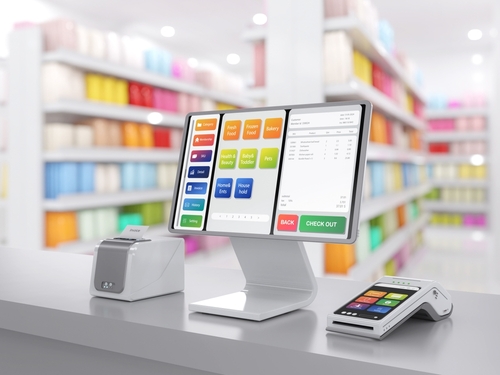
Shiny displays and fast checkouts may impress your customers—but it’s the unseen systems behind them that truly drive retail success: system integration.
Many retailers still operate with siloed systems—EPOS terminals that don’t talk to the warehouse, stock management tools that don’t sync with finance, or an outdated ERP that creates more problems than it solves. This disconnect leads to manual workarounds, poor visibility, and ultimately, lost time and money.
Here’s why integration is no longer a “nice to have”—it’s essential.
- Real-Time Inventory Visibility
Imagine running low on a bestselling item, but your EPOS doesn’t reflect the updated stock levels from your warehouse. With fully integrated systems, stock levels update in real time, reducing overselling, missed opportunities, and disappointed customers.
For multi-location retailers, this means knowing exactly which stores have what—and being able to move stock proactively.
- Faster, Smarter Decision-Making
Without integration, reporting becomes a nightmare. You’re stuck exporting spreadsheets from multiple platforms, hoping the data lines up. When your systems are connected, you get unified dashboards that reflect accurate, live data—helping you spot trends, flag issues, and make better business decisions.
Whether it’s understanding peak sales hours or identifying high-performing products, integration puts insight at your fingertips.
- Seamless Customer Experience
Today’s customers expect speed and consistency. If your systems aren’t talking to each other, promotions may not sync across channels, refunds could take longer, and loyalty schemes might not work as expected.
Integrated systems ensure your customers experience the same smooth service, whether they’re in-store, online, or using click-and-collect.
- Less Manual Work, Fewer Mistakes
Every time a staff member has to copy data from one system to another, there’s a risk of error. Integration automates that flow of data—between POS, ERP, accounts, and warehouse—so your team spends less time on admin and more time serving customers.
- Scalability for Growth
As your business grows—new locations, more SKUs, wider channels—your tech stack needs to scale with you. Integrated systems make that growth smoother by keeping your infrastructure lean, manageable, and adaptable.
Time to Connect the Dots?
At RCS, we help retailers break down the silos and connect the tools they already use—whether that’s upgrading outdated systems or simply making the current ones work better together.
If your systems are holding your team back, or you’re planning a tech upgrade, it might be time to look under the hood and ask: Are your systems working together—or working against you?
Need help simplifying your retail systems?
Let’s chat. We specialise in one-stop, integrated solutions that make retail operations smarter, faster, and future-ready.